Waive Appraisal Contingency: What DMV Homebuyers Need to Know Before Signing
The listing just hit. You love it. So does everyone else.
Your agent calls and says the magic words no first-time buyer wants to hear: "To be competitive, we should consider waiving the appraisal contingency."
Before you panic — or before you say yes without understanding what that means — let's break it down.
What Is an Appraisal Contingency?
An appraisal contingency is a clause in your purchase contract that protects you if the home appraises for less than the price you agreed to pay.
Here's how it works: Your lender requires an independent appraisal before they'll fund your loan. If the home appraises at or above your contract price, everything moves forward. If it comes in *below* your purchase price — say you agreed to $750,000 but the appraiser says the home is worth $720,000 — the contingency gives you options.
With an appraisal contingency in place, you can:
- Renegotiate the price down to the appraised value
- Walk away and get your earnest money back
- Cover the gap out of pocket and proceed anyway
Without that contingency? You've committed to close at $750,000 regardless of what the appraisal says. If the lender won't fund the full amount, you're on the hook for the difference — or you lose your earnest money when you can't perform.
Why DMV Buyers Are Waiving It More Than Ever
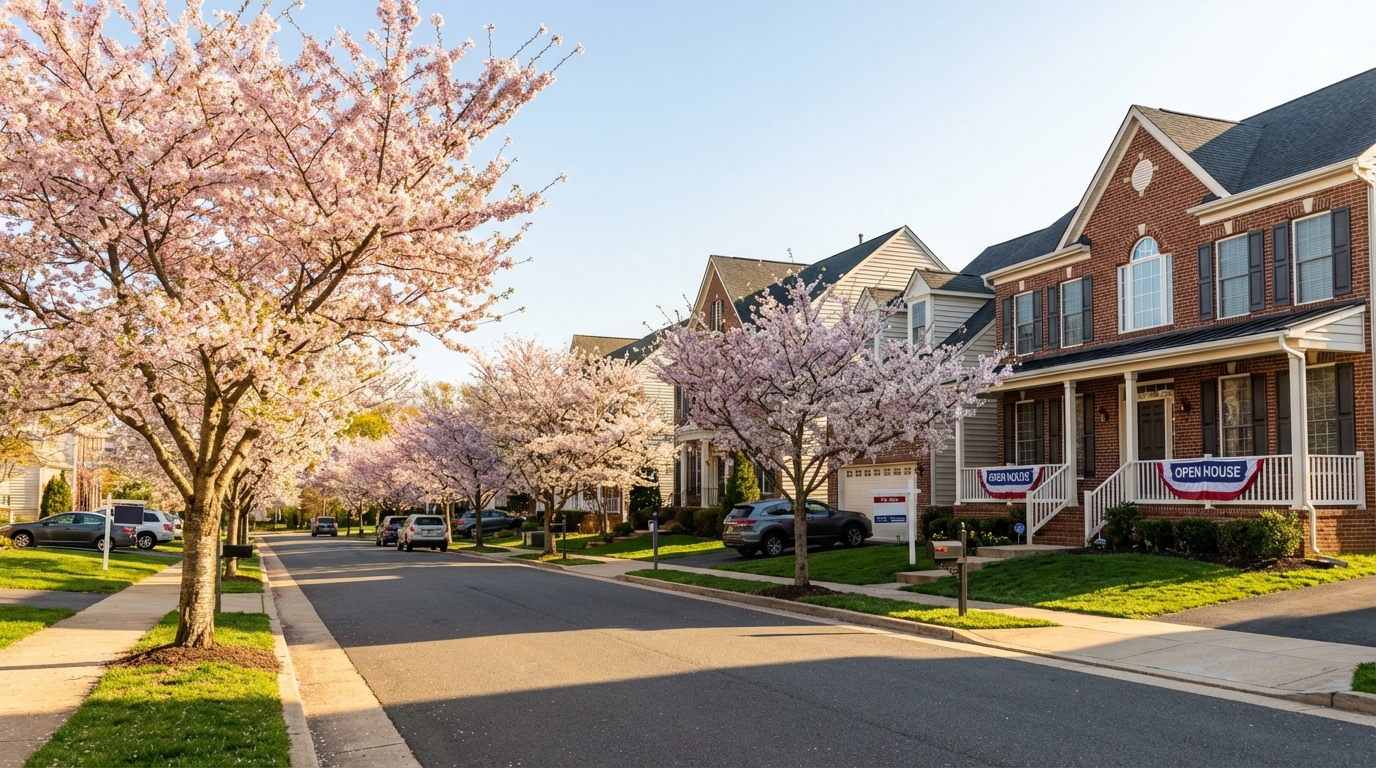
Northern Virginia, DC, and suburban Maryland are not a balanced market. Inventory is still tight in desirable neighborhoods, and sellers in Falls Church, Silver Spring, Bethesda, and Arlington frequently see multiple offers within the first weekend.
In that environment, waiving contingencies has become a standard tool for winning. Sellers want certainty. An offer with fewer contingencies is a cleaner offer. And in a market where a seller might be choosing between six similar bids, your contingency waivers can tip the scale.
This isn't unique to $2 million listings. Entry-level townhomes in Fairfax County and condos near Metro stations see the same competitive pressure. Your agent isn't suggesting this to make your life difficult — they're reading the market.
The Real Risk: Appraisal Gaps in the DMV
Before you agree to waive, you need to understand the appraisal gap — and how exposed you actually are.
Example:
You offer $650,000 on a home in Annandale. The appraiser comes back at $618,000. That's a $32,000 gap.
Your lender will typically only fund up to the appraised value. So you'd need to bring an additional $32,000 to closing — on top of your already-planned down payment.
In DC-area markets where prices have been climbing faster than appraised values can keep up, this happens. Not constantly, but enough that it's not theoretical. Know your gap tolerance before you write the offer.
Some buyers address this with an appraisal gap clause — a separate provision in the contract that says "I'll cover up to $X in gap above appraised value." This is different from a full contingency waiver and gives the seller more certainty without leaving you completely exposed.
When Waiving the Appraisal Contingency Makes Sense
There are real situations where waiving is a legitimate — and financially sound — decision.
You're making a large cash down payment. If you're putting 30% or 40% down, a modest appraisal gap ($20K–$40K) is probably absorbable. You have equity cushion, and your lender's exposure is lower relative to the loan.
You have verified cash reserves. "Cash reserves" means liquid funds you can access without liquidating retirement accounts or borrowing from family. If you can cover the gap without it derailing your financial plan, the risk is manageable.
The property is in a neighborhood with predictable comps. Some areas appraise very consistently because there's ample recent sales data. A well-priced home in a stable, high-transaction neighborhood is less likely to come in under value than a one-of-a-kind property with thin comparable sales.
You're paying cash. No lender, no appraisal requirement. Simple.
The price is already at or below market. If your agent has reviewed the comps and the $680,000 offer reflects true current value, the appraisal coming in low is unlikely. Ask your agent to walk you through the comps before you decide.
When You Should Keep That Contingency
Be very cautious about waiving if:
- You're stretching your budget and have little cushion beyond the down payment and closing costs
- The price has escalated significantly above list — $50K+ over asking increases appraisal risk meaningfully
- The home is unique with few comparable sales (a renovated historic property, unusual acreage, unique architecture)
- You're a first-time buyer on an FHA or VA loan — these loan types have stricter appraisal requirements that can complicate a gap scenario even if you want to cover it
VA loans in particular have built-in protections. VA buyers are generally not required to pay above appraised value. Talk to your lender about how this intersects with waiving contingencies before you write that into your contract.
The Settlement Company Sees This Every Day
At the closing table, we see the downstream effects of contingency decisions made weeks earlier. When buyers have waived the appraisal contingency and the appraisal comes in short, the scramble to close is real.
Sometimes buyers find the funds. Sometimes they need a bridge loan or a gift letter. Occasionally the deal falls apart anyway, and the earnest money situation gets complicated. The cleaner the contract was written upfront, the cleaner the settlement.
What we always recommend: if you're going to waive, go in with eyes wide open. Know your exposure in dollars. Talk to your lender first — not after your offer is accepted. And make sure your settlement attorney or title company understands the contract terms so there are no surprises at the table.
Before You Sign Off on a Waiver: A 5-Point Checklist
- Ask your agent to pull the comps. How much did similar homes sell for in the last 90 days? Do those sales support your offer price?
- Talk to your lender about worst-case math. If the appraisal comes in $30K low, what happens to your loan approval? What do you need in cash to cover it?
- Know your earnest money exposure. What's the earnest money deposit amount? If you can't perform because of an appraisal gap you can't cover, you may forfeit it.
- Consider an appraisal gap clause as a middle ground. You can commit to covering a defined gap (e.g., up to $25,000) without removing all protection.
- Get your settlement team involved early. Your title company should review the contract before it's finalized. Catch the issues now, not on closing day.
The Bottom Line
Waiving the appraisal contingency isn't reckless — in the right situation with the right financial foundation, it's a smart competitive move.
But it's not something to agree to because your agent said it's what everyone is doing. It's a financial decision with real consequences. Understand the math, know your cash position, and get your lender's input before you commit.
The DMV market rewards prepared buyers. The buyers who win — and close — are the ones who understood what they were agreeing to before they signed.
*Will Rapuano is a settlement professional and the founder of DMV Title Guy, helping homebuyers, sellers, and real estate agents navigate title and closing in Virginia, Maryland, and DC. Questions about your contract or closing? [Contact the team.](/contact)*
FAQ: Waive Appraisal Contingency in the DMV
Q: What happens if I waive the appraisal contingency and the home appraises low?
A: You're contractually obligated to close at your purchase price. If your lender won't fund the difference, you'll need to cover the appraisal gap in cash or risk losing your earnest money deposit.
Q: Is waiving the appraisal contingency common in Northern Virginia?
A: Yes. In competitive DMV markets, waiving or modifying the appraisal contingency is a standard tactic buyers use to strengthen their offers. It's not uncommon in multiple-offer situations in Falls Church, Arlington, Bethesda, and similar neighborhoods.
Q: Can I waive the appraisal contingency on an FHA or VA loan?
A: It's complicated. VA loans include a Tidewater process that limits the buyer's obligation to pay above appraised value. FHA loans have their own appraisal requirements. Talk to your lender about how a waiver interacts with your loan type before writing it into the contract.
Q: What is an appraisal gap clause vs. waiving the contingency?
A: A gap clause says "I'll cover up to $X above appraised value." A full waiver removes all protection. Gap clauses are a popular middle ground in competitive DMV markets because they give sellers certainty without leaving buyers fully exposed.
Q: Should I waive the appraisal contingency as a first-time buyer?
A: Proceed with caution. First-time buyers often have less cash reserves to absorb a gap. If you're stretching your budget, keeping some form of appraisal protection is the prudent move.
Ready to Get a Title Quote?
Pruitt Title serves buyers, sellers, and lenders across Virginia, Maryland, and Washington, DC. We make closing simple.