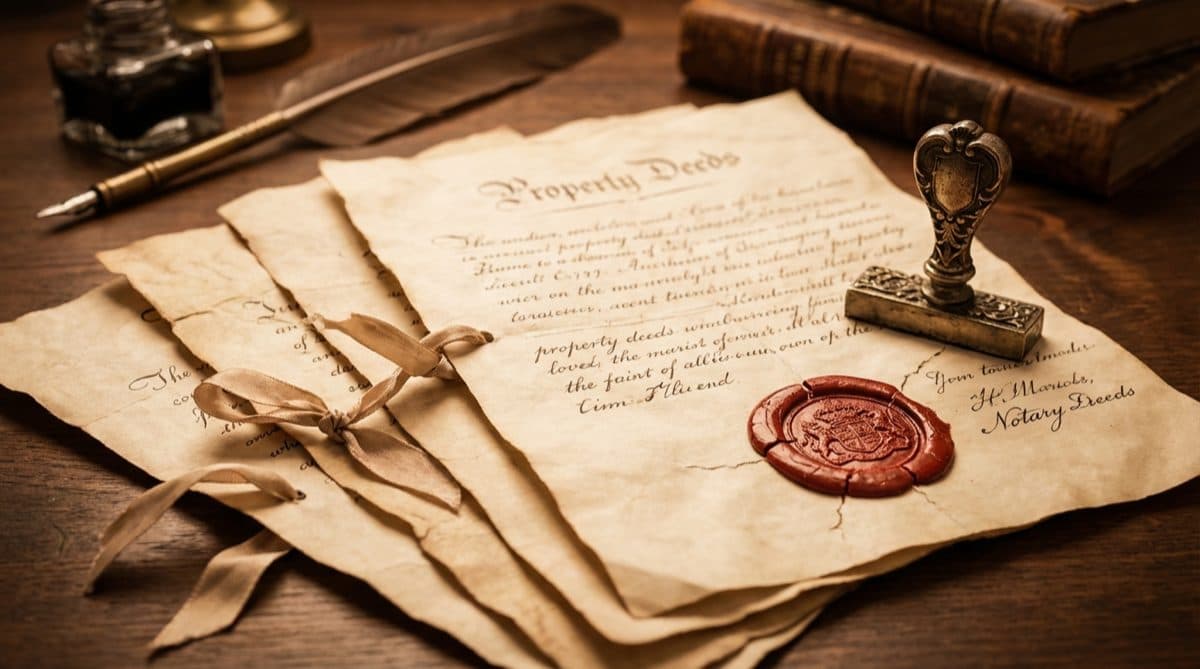

Standard and enhanced title insurance policies offer different levels of coverage. This guide compares the two, explains when enhanced coverage is worth it, and what DMV buyers should know before choosing a policy.
Planning a closing?
Get a local title quote for Virginia, Maryland, or Washington DC.
Get a Title Quote →When you're sitting at the closing table, a title insurance question tends to come up: do you want the standard policy, or the enhanced one? Most buyers hear the price difference — usually a few hundred dollars — and either upgrade without thinking or decline without understanding what they're giving up. The choice between standard vs extended title insurance matters more than most buyers realize, and the right answer depends on your property, your risk tolerance, and the specific neighborhood you're buying in.
Here's how to think through it clearly.
What Standard Title Insurance Actually Covers
The standard [owner's title insurance policy][LINK:/title-insurance] — technically called an ALTA Homeowner's Policy (basic form) — protects you against title defects that existed before your closing date. Think of it as a defense against the past.
Standard coverage protects you from:
- Forged signatures on prior deeds
- Undisclosed or missing heirs who surface later with a claim on the property
- Errors in public records (wrong legal descriptions, misfiled documents)
- Liens that weren't discovered during the title search — unpaid contractor work, old mortgages, IRS federal tax liens
- Fraud by a prior owner or seller
- Boundary disputes rooted in historical deed errors
This is solid protection. A title search only goes back so far, and public records in Maryland, Virginia, and DC aren't perfect. A forged deed from 20 years ago can surface at any time, and without a title policy, the legal defense and any resulting loss come out of your pocket.
What standard coverage does not do: it doesn't protect against things that happen after closing, and it doesn't cover certain risks that only show up after you've owned the home for a while — like a neighbor claiming your fence crossed onto their property, or a building permit issue from the prior owner that the county comes after you to fix.
What Enhanced Title Insurance Adds
The enhanced policy — the ALTA Homeowner's Policy (2021 form) — extends your coverage into post-closing risks. This is where the real difference lives.
Enhanced-only coverage adds protection for:
- Post-policy forgery — someone forges your signature to deed your property away after closing
- Encroachments discovered after closing — you build a shed, get a survey, and learn the property line cuts through your garage
- Zoning violations by prior owners — the previous owner finished a basement without permits; now the county requires you to tear it out or bring it to code
- Building permit violations — unpermitted additions that create code enforcement liability for you as the new owner
- Subdivision law violations — prior owner subdivided the lot in a way that wasn't properly recorded
- Adverse possession — a neighbor has been treating part of your yard as their own long enough to have a legal claim
- Automatic inflation protection — the policy value increases up to 150% over the first five years to keep pace with your home's appreciation
- Prescriptive easements — someone claims the right to use a portion of your property based on years of prior use
That last two items — inflation protection and prescriptive easements — are quietly very valuable in the DMV market, where property values move fast and older neighborhoods have decades of informal boundary understandings that never got recorded.
Side-by-Side Comparison
Premiums vary by state, purchase price, and underwriter. Maryland, Virginia, and DC each have their own rate filings.
When the Upgrade Is Worth It — DMV-Specific Scenarios
Older neighborhoods in DC and close-in Maryland
DC row houses, Takoma Park bungalows, Silver Spring colonials — these properties have changed hands many times over 80–100 years. Old deeds were hand-typed, boundaries were described by reference to trees and fences that no longer exist, and permit records from the 1960s and 1970s are incomplete at best. If the seller finished a basement or added a deck during that era without pulling permits, the enhanced policy protects you if the county comes knocking after you move in. Standard doesn't.
Lots with unclear boundary histories in Northern Virginia
In Fairfax County, Prince William, and Loudoun, older subdivisions sometimes have informal access paths between neighbors that were never formally recorded. One buyer closes on a Falls Church split-level, installs a fence, and gets a letter from the neighbor claiming a prescriptive easement along the rear property line. Standard coverage typically won't respond to that post-closing claim. Enhanced will.
New construction with prior agricultural or commercial use
In the outlying DMV — Manassas, Woodbridge, Gainesville — plenty of newer subdivisions sit on land that was farmed or commercially used within the last few decades. Easements from prior uses, drainage agreements, and old utility rights-of-way don't always make it cleanly into the recorded subdivision plat. Enhanced coverage provides a layer of protection when the history of the land is messier than the title search shows.
Investment properties and rentals
If you're buying a rental property, the inflation protection clause alone has real dollar value — your policy amount grows automatically, which matters when you're holding a property for five, ten, or fifteen years. It's not glamorous, but it's one fewer thing to think about.
When Standard Is Probably Fine
Not every property needs the upgrade. A newly constructed condo in a modern building — where the title chain is short, permits are documented, and the HOA handles exterior boundaries — carries far less risk of the post-closing issues enhanced coverage addresses. If you're buying from a developer with a clean title history and a full permit record, the standard policy may be all you need.
Same logic applies to recently built single-family homes in well-documented subdivisions with a clean title history. Short chain of title, modern plat, no prior commercial use — the elevated risk scenarios simply aren't as present.
That said: the upgrade is typically a few hundred dollars on a $600,000+ purchase. We're not talking about a meaningful financial decision in isolation. It's a matter of whether the specific risk profile of your property makes that additional coverage sensible. Our [team at Pruitt Title][LINK:/why-choose-us] reviews this with every buyer before closing so you're not guessing.
How Enhanced Title Insurance Relates to Your Lender's Policy
One thing buyers often miss: your lender requires their own title policy — that's separate from yours. The [lender's policy vs. owner's policy][LINK:/blog/lenders-vs-owners-title-insurance] distinction matters here. The lender's policy protects the bank, not you. Even if your lender gets a fully enhanced policy, you have zero coverage on a standard owner's policy.
The enhanced vs. standard decision is yours to make for your own protection.
Frequently Asked Questions
What is the difference between standard and extended title insurance?
Standard title insurance covers defects that existed before your closing — forged deeds, undisclosed heirs, public record errors, and pre-existing liens. Extended (enhanced) title insurance adds post-closing coverage, including encroachments discovered after closing, zoning and permit violations from prior owners, post-closing forgery, adverse possession claims, and automatic inflation protection on the policy amount.
Is enhanced title insurance worth the extra cost?
For most buyers purchasing older properties in the DMV — especially DC, close-in Maryland, and established Northern Virginia neighborhoods — yes. The additional premium is typically $200–$500 on top of the standard policy, and the coverage it adds addresses real risks in markets with older housing stock and complex title histories. On a new construction condo or a recently built home with a clean title chain, the risk profile is lower.
What is the ALTA Homeowner's Policy?
The ALTA Homeowner's Policy is the standard-setting title insurance form issued by the American Land Title Association. The basic form provides standard coverage. The enhanced form (currently the 2021 ALTA Homeowner's Policy) adds extended post-closing protections. Most title companies in Maryland, Virginia, and DC offer both versions.
Does enhanced title insurance cover survey issues?
Yes — the enhanced policy typically covers certain survey-related issues discovered after closing, including encroachments and boundary disputes. Standard policies generally do not cover these if they're discovered post-closing. This is one of the more frequently triggered claims in older DMV neighborhoods where surveys weren't required at every prior closing.
Does my lender's title policy protect me as the buyer?
No. Your lender's title policy protects only the lender's interest in the property — not yours. Even if the lender's policy is fully enhanced, you have no protection under it as the owner. You need a separate owner's title insurance policy to protect your own equity and interest in the home.
Can I add enhanced coverage after closing?
No. Title insurance is a one-time purchase at closing. You cannot upgrade from standard to enhanced after the closing date. This is why it's worth understanding the difference before you sign.
How much does enhanced title insurance cost in Maryland, Virginia, and DC?
Title insurance premiums in the DMV are state-regulated and based on purchase price. For a $600,000 home, you're typically looking at $1,400–$1,700 for a standard owner's policy and $1,700–$2,100 for enhanced coverage — a difference of roughly $300–$400. Exact quotes depend on the underwriter, the state, and the specific transaction details. Will Rapuano is the founder of Pruitt Title LLC / DMV Title Guy, a settlement company serving Maryland, Virginia, and Washington, DC. Questions about your specific transaction? Reach out to our team.
Ready to Get a Title Quote?
Send your transaction details through DMV Title Guy. Will can answer initial questions and, when eligible, refer the request to Pruitt Title LLC for review.