
Planning a closing?
Get a local title quote for Virginia, Maryland, or Washington DC.
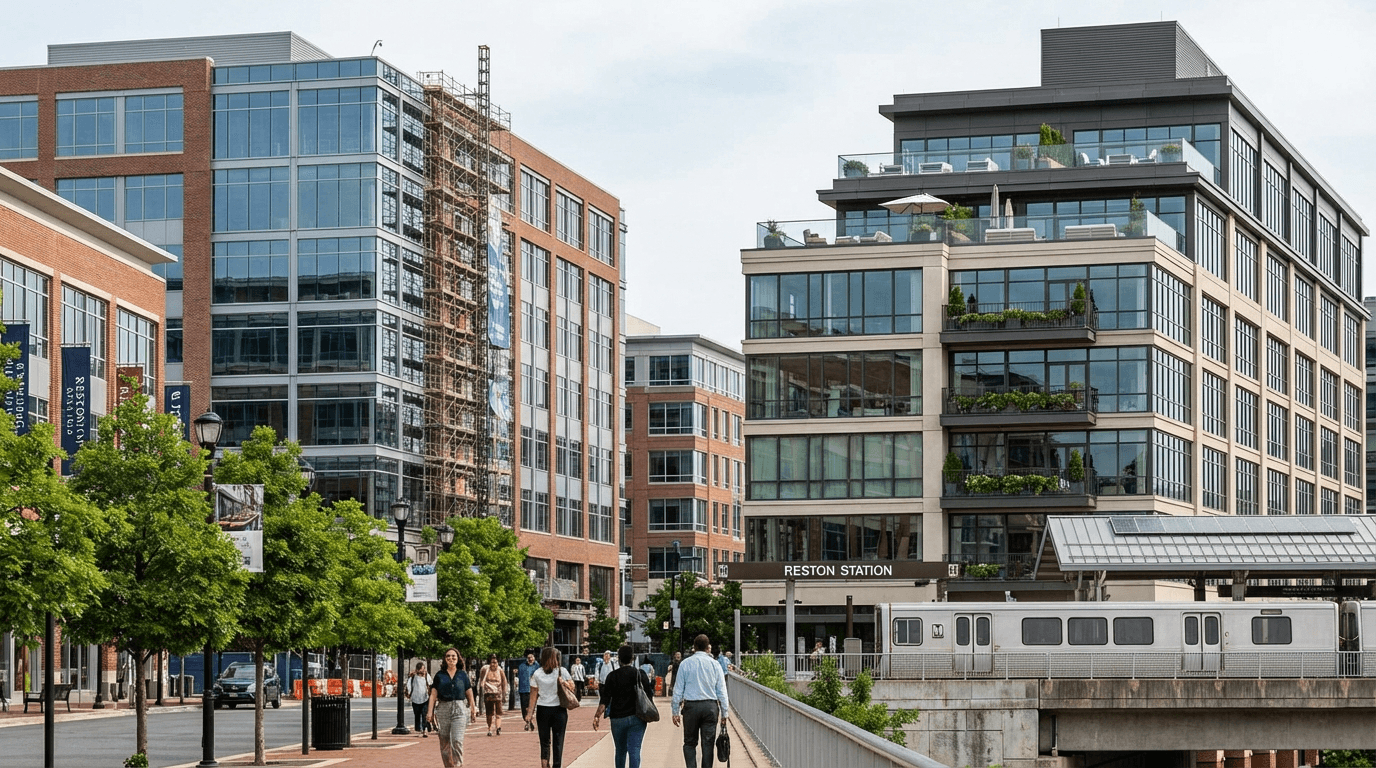
Get a Title Quote →The post-pandemic commercial real estate shift in Northern Virginia isn't just a talking point anymore—it's actively reshaping our neighborhoods. The latest example? Pulte Group’s proposed "Lofts at Reston Station," which aims to convert three aging office buildings at 1810, 1825, and 1850 Samuel Morse Drive into a 158-unit community of stacked townhouses and condominiums.
Following the Fairfax County Planning Commission's public hearing on April 8, 2026, this development highlights a massive trend in the DMV: turning underutilized commercial space into residential inventory. For homebuyers in Reston, this means fresh inventory in a highly competitive market. But from a title and settlement perspective, office-to-residential conversions and new construction condos carry unique complexities you need to know before signing a purchase agreement.
The Lofts at Reston Station: Project Snapshot
Here is what buyers and investors should know about the proposed development:
| Feature | Details |
|---|---|
| Location | 1810, 1825, 1850 Samuel Morse Drive, Reston |
| Unit Count | 158 stacked townhouses and condos |
| Developer | Pulte Group |
| Workforce Housing | At least 12% designated workforce dwelling units (WDUs) |
| Transit Access | Multimodal transit improvements near Wiehle-Reston East Metro |
With the project reserving 12% of its units as Workforce Dwelling Units (WDUs), the community offers an entry point for middle-income buyers. However, WDUs come with specific covenant restrictions that dictate future resale prices and eligibility—details that are heavily scrutinized during the title search and settlement process.
Why New Construction Title Insurance is Different
When you buy a resale home in Reston, the title search looks backward at previous owners to ensure no one else has a claim to the property. With new construction—especially office-to-residential conversions—the property history looks fundamentally different.
Here is what our title examiners look for during a commercial-to-residential conversion:
1. Mechanic's Liens
During a massive redevelopment, dozens of contractors, subcontractors, and suppliers are involved. If the developer fails to pay any of these parties, a mechanic's lien can be filed against the property. An owner's title insurance policy protects you from inheriting the developer's unpaid construction bills.
2. Commercial Zoning and Easement Clearances
Office parks have different utility easements, access rights, and zoning restrictions than residential subdivisions. The title work must verify that all commercial encumbrances have been properly extinguished or modified to allow for residential use.
3. WDU Covenant Restrictions
For the 12% of units designated as workforce housing, the title commitment will include specific restrictive covenants. These covenants often limit how much the property can appreciate for the owner and restrict who can buy the home when it is eventually resold. Your settlement agent must ensure these documents are recorded correctly and that you fully understand your rights as an owner.
Frequently Asked Questions
Do I need an owner's title policy for new construction?
No — an owner’s title insurance policy is not required by law, but if you are buying with a mortgage, your lender will usually require a lender’s title insurance policy and that cost is typically part of closing; the lender’s policy protects the lender’s interest, while an owner’s policy is the optional coverage that protects you from title defects, unpaid liens, boundary disputes, and other hidden ownership risks.
Are closing costs different for new construction condos?
Closing costs on new builds often include builder-specific fees, such as initial contributions to the condominium association's reserve fund or capital contribution fees. A specialized settlement company will ensure the builder isn't passing on fees that legally belong to them.
Can I choose my own title company when buying from a builder?
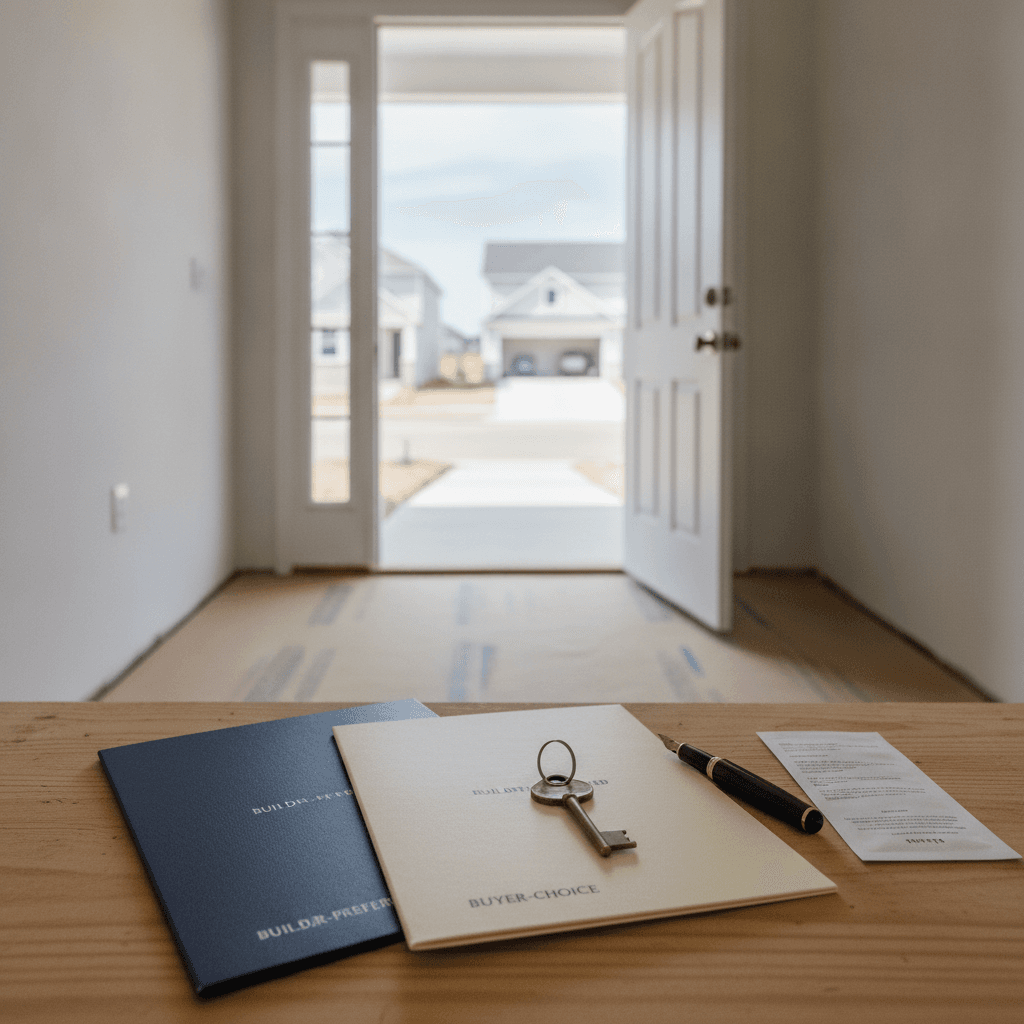
Yes. Under the Real Estate Settlement Procedures Act (RESPA), the buyer has the legal right to choose their title company. While builders like Pulte Group may have affiliated settlement companies or offer incentives to use them, you are never required to use the builder's title company. Shopping for your own independent settlement agent ensures your interests—not the builder's—are protected.
Ready for Your Next Move in Reston?
If you are considering a new construction home at the Lofts at Reston Station or anywhere else in Northern Virginia, you need an independent title partner who understands the nuances of developer contracts. Get a free estimate today at Pruitt Title to see your exact closing costs.
Ready to Get a Title Quote?
Send your transaction details through DMV Title Guy. Will can answer initial questions and, when eligible, refer the request to Pruitt Title LLC for review.